Lachlan
Turczan
Biography
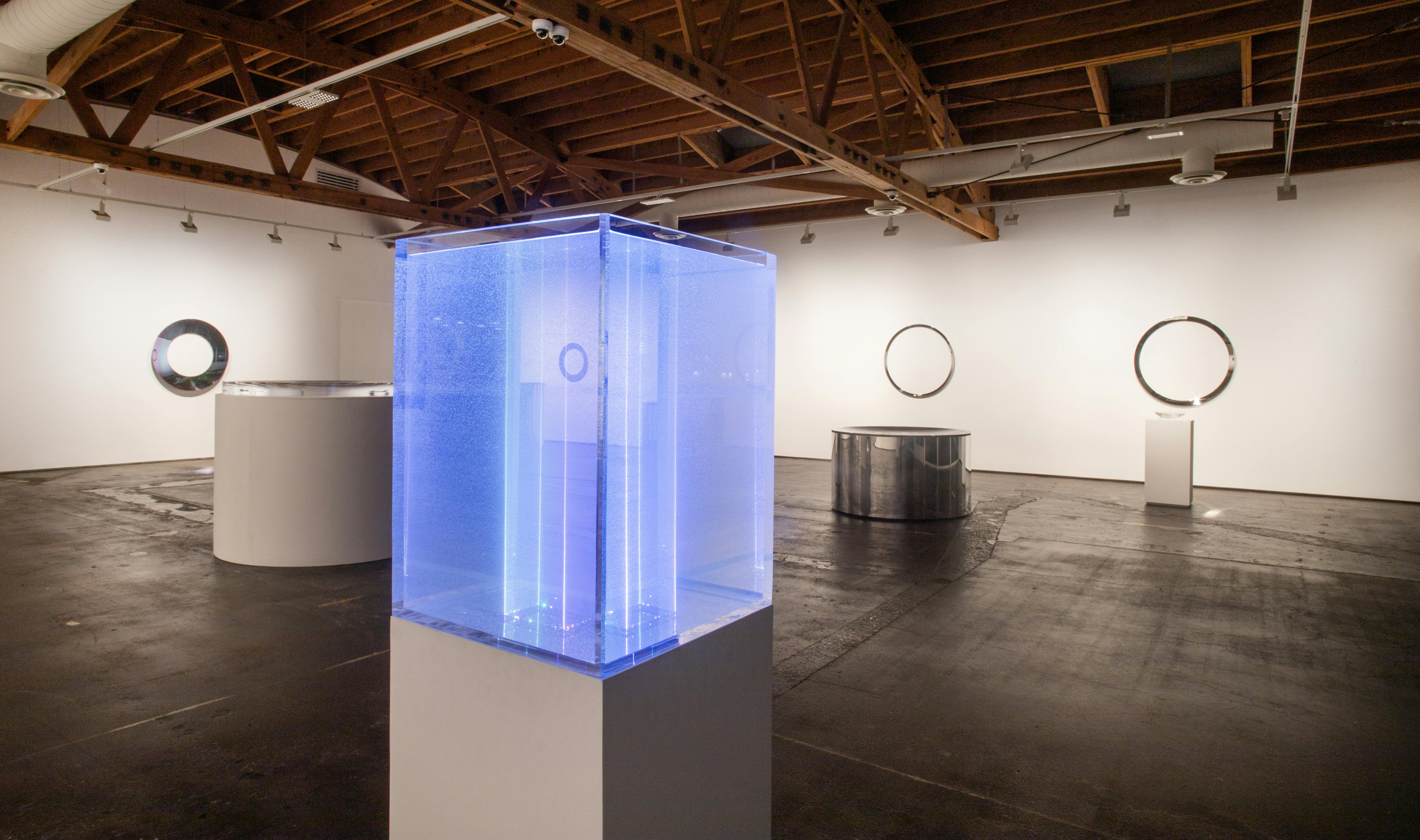
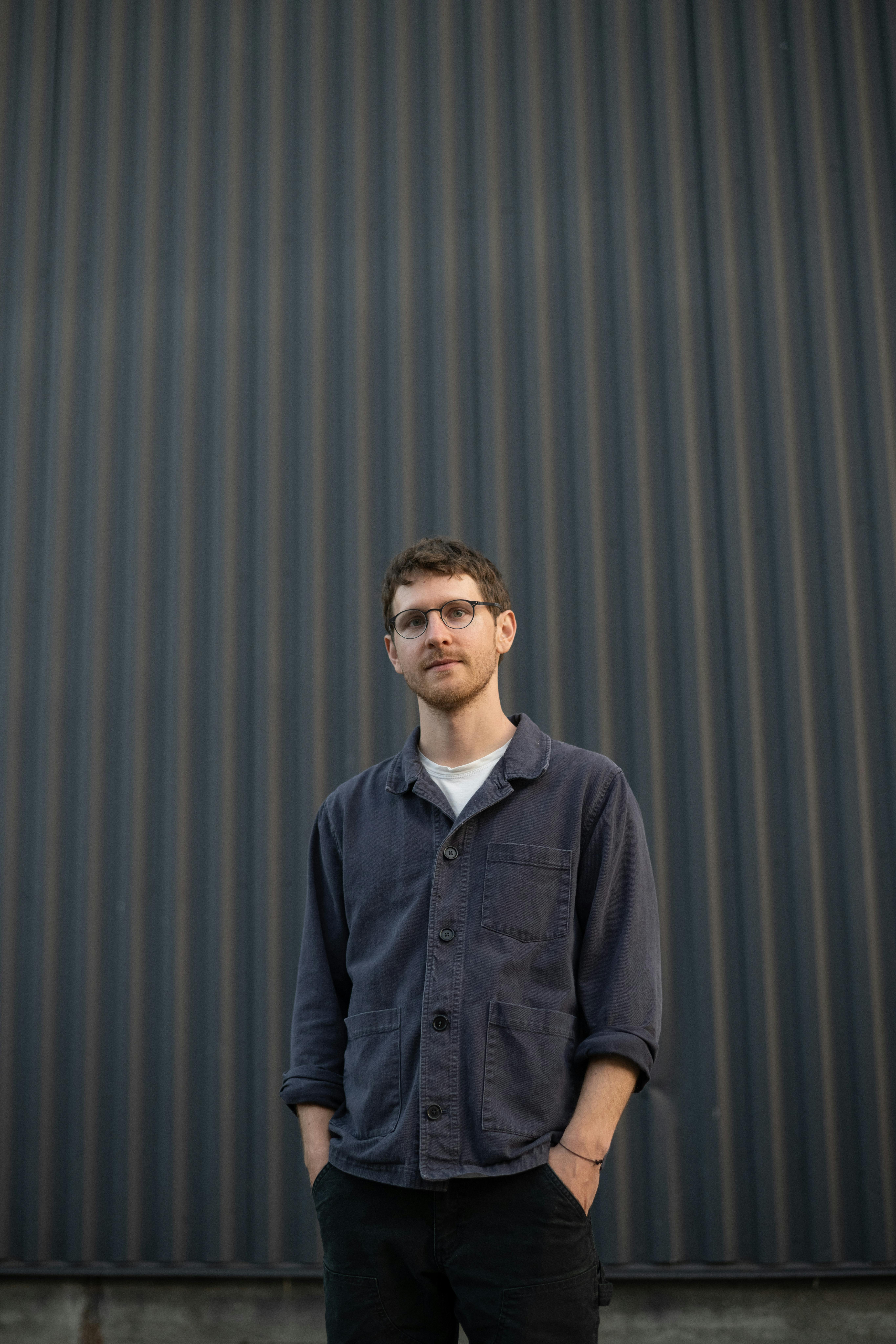
Lachlan Turczan (b. 1993) is an American artist whose work investigates the optical and sonic properties of water. Drawing on natural phenomena to alter human perception, Turczan creates installations that merge light, sound, and fluid dynamics into immersive experiences.
He graduated from the Rhode Island School of Design in 2015 with a degree in Media Studies. During his time at RISD, he took courses in glass, neuroscience, and computer animation to inform his interests in optics, perception, and movement. Over the past decade, Turczan has presented his work internationally at museums, design fairs, music festivals, and experimental film screenings. Most recently, he premiered Lucida (I–VI), a new series of monumental light sculptures developed in collaboration with Google for Milan Design Week 2025.

2025 LUMEN PRIZE FINALIST
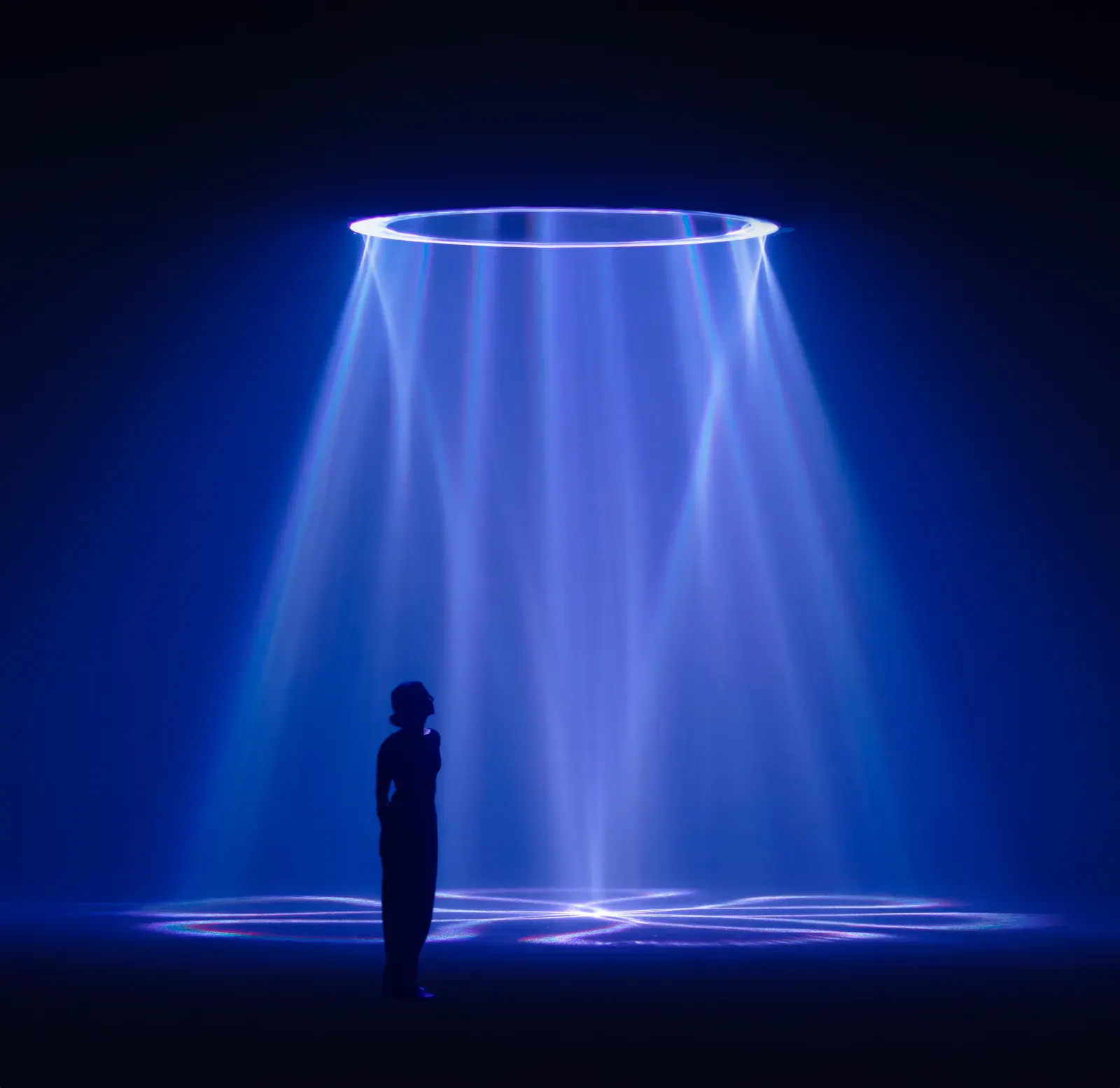
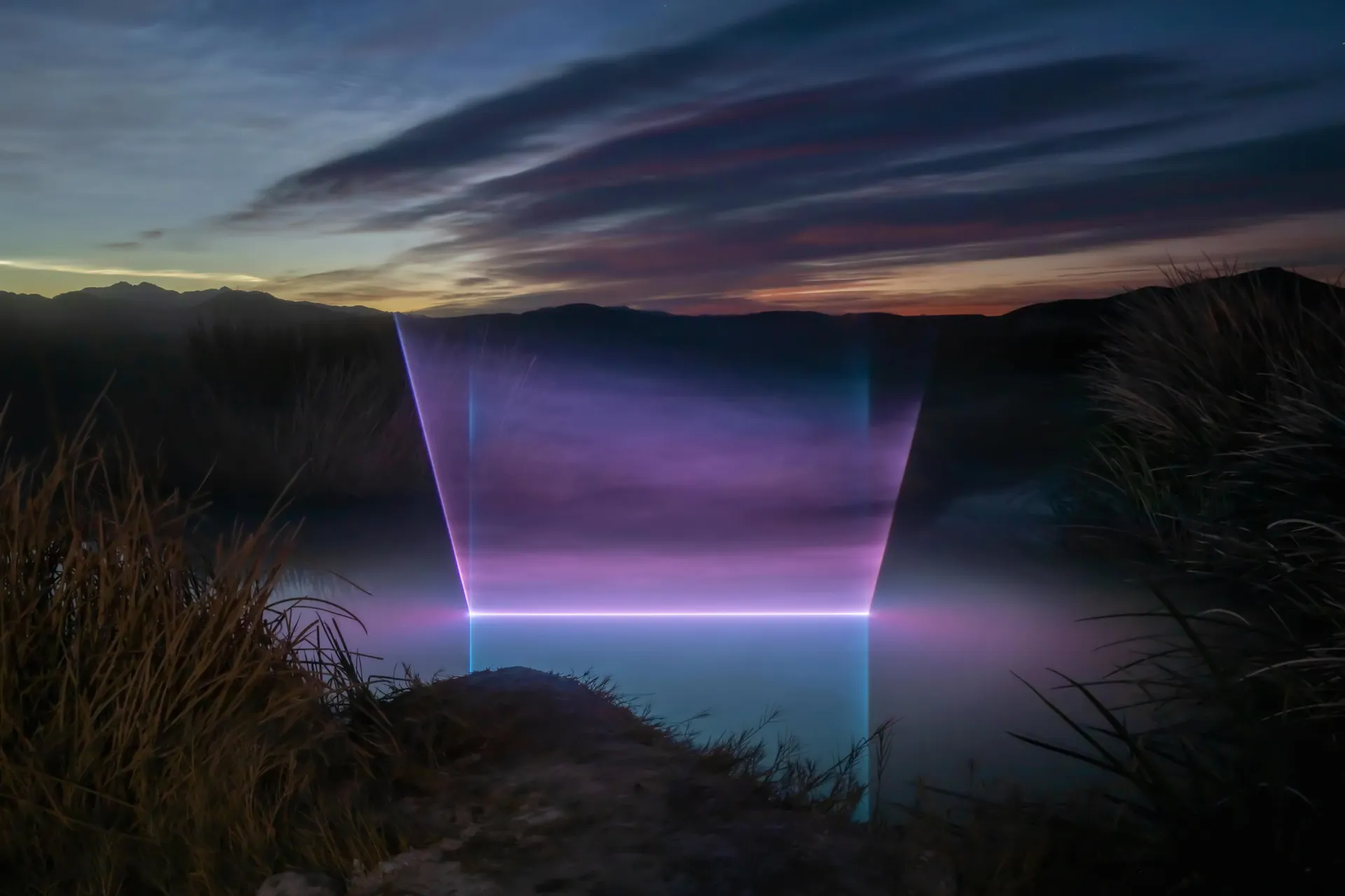
Lucida is the latest work in Turczan’s ongoing Veil Series, where he invites viewers to step into spaces sculpted entirely from light. These luminous curtains ripple through mist, forming shifting environments that blur the boundaries between the tangible and intangible. Light, typically a fleeting presence, takes on a material permanence, transforming into something that can be touched, inhabited, and felt. As participants move through the beams of light, their presence activates the work. Light bends, flows, or solidifies into structured planes, responding with fluid dynamism. By giving light the qualities of physical matter, Lucida hints at a future where form no longer relies on physical mass, but instead on energy and perception.
MORE DETAILS PROCESS | CYMATIC WATERGRAM
SELECTED WORKS
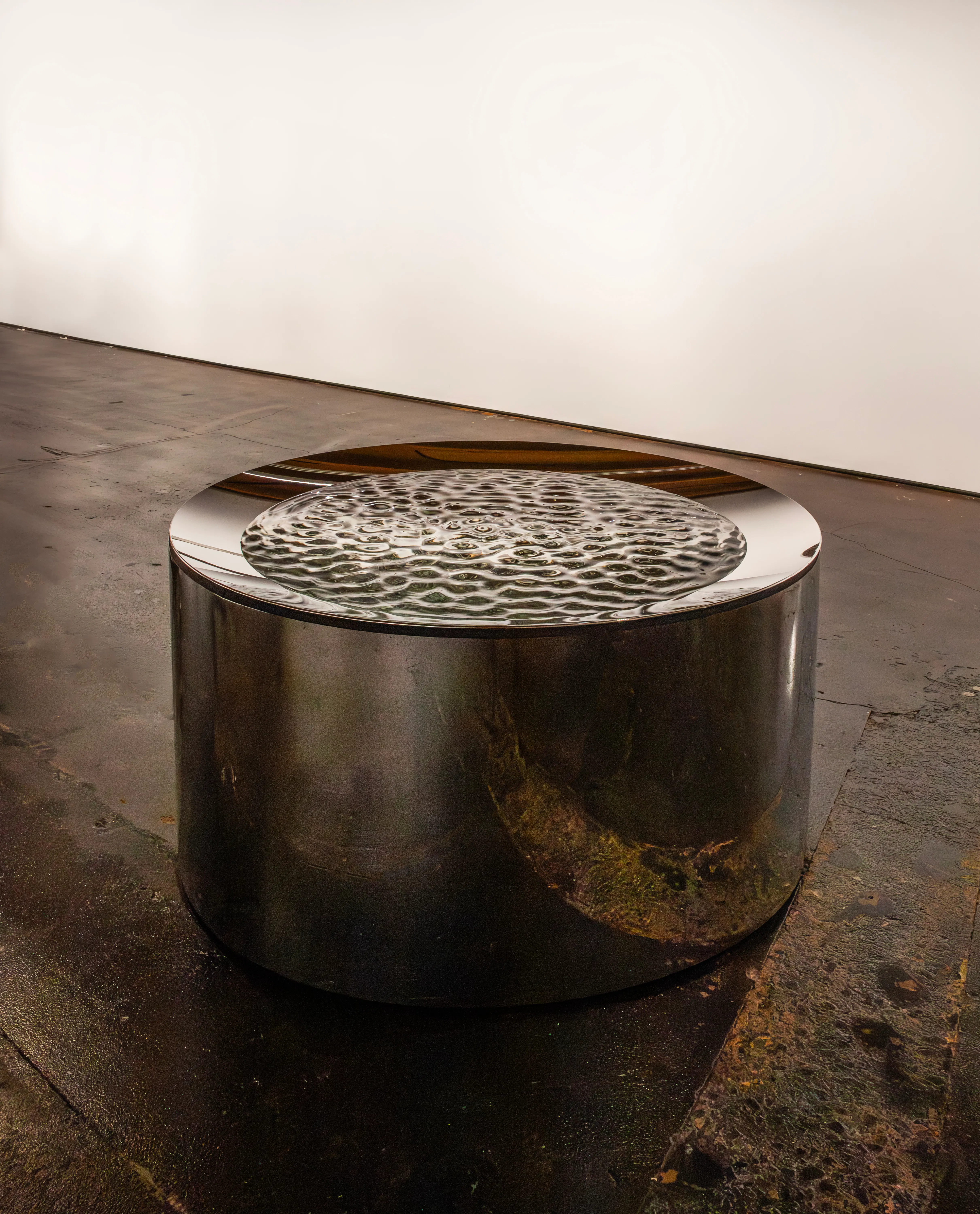
Lachlan Turczan
Tidal Resonance, 2023
Stainless steel, acoustic insulation, two transducers, rubber feet 51 x 28 in
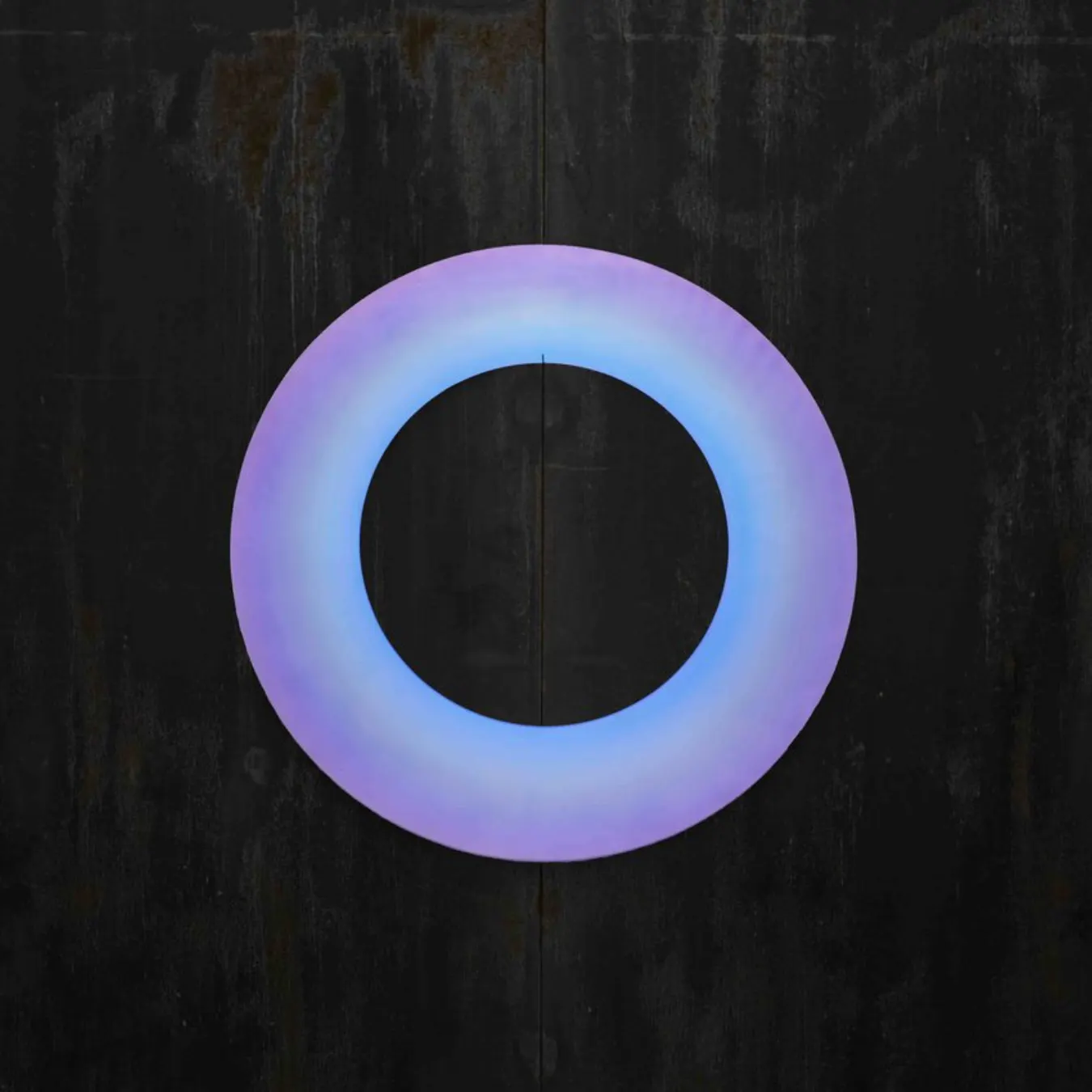
Lachlan Turczan
Annula Optic, 2024
polished stainless steel, anode layer 42 x 42 x 3 in
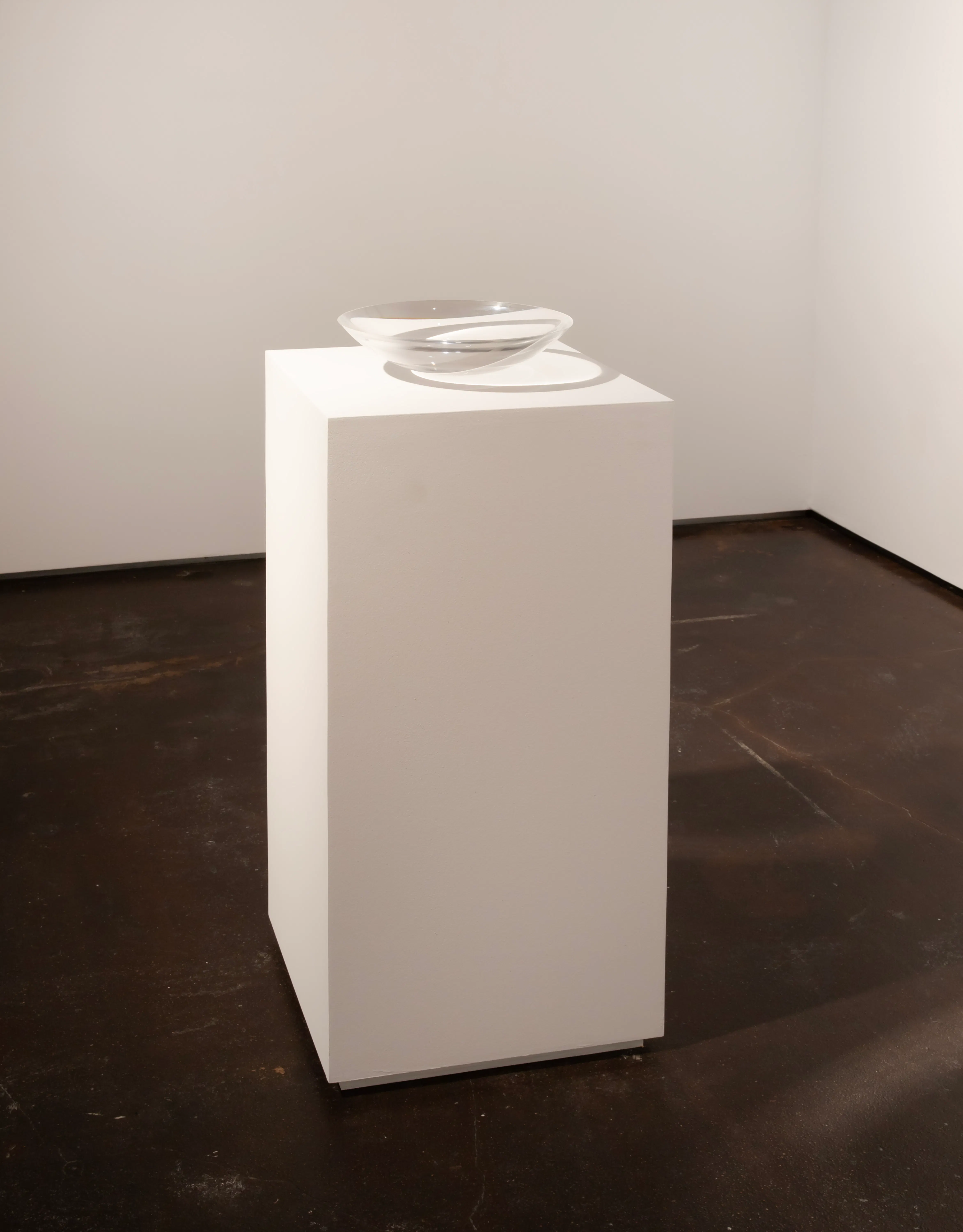
Lachlan Turczan
Contact I, 2025
Water, acrylic 12 x 12 x 3 in
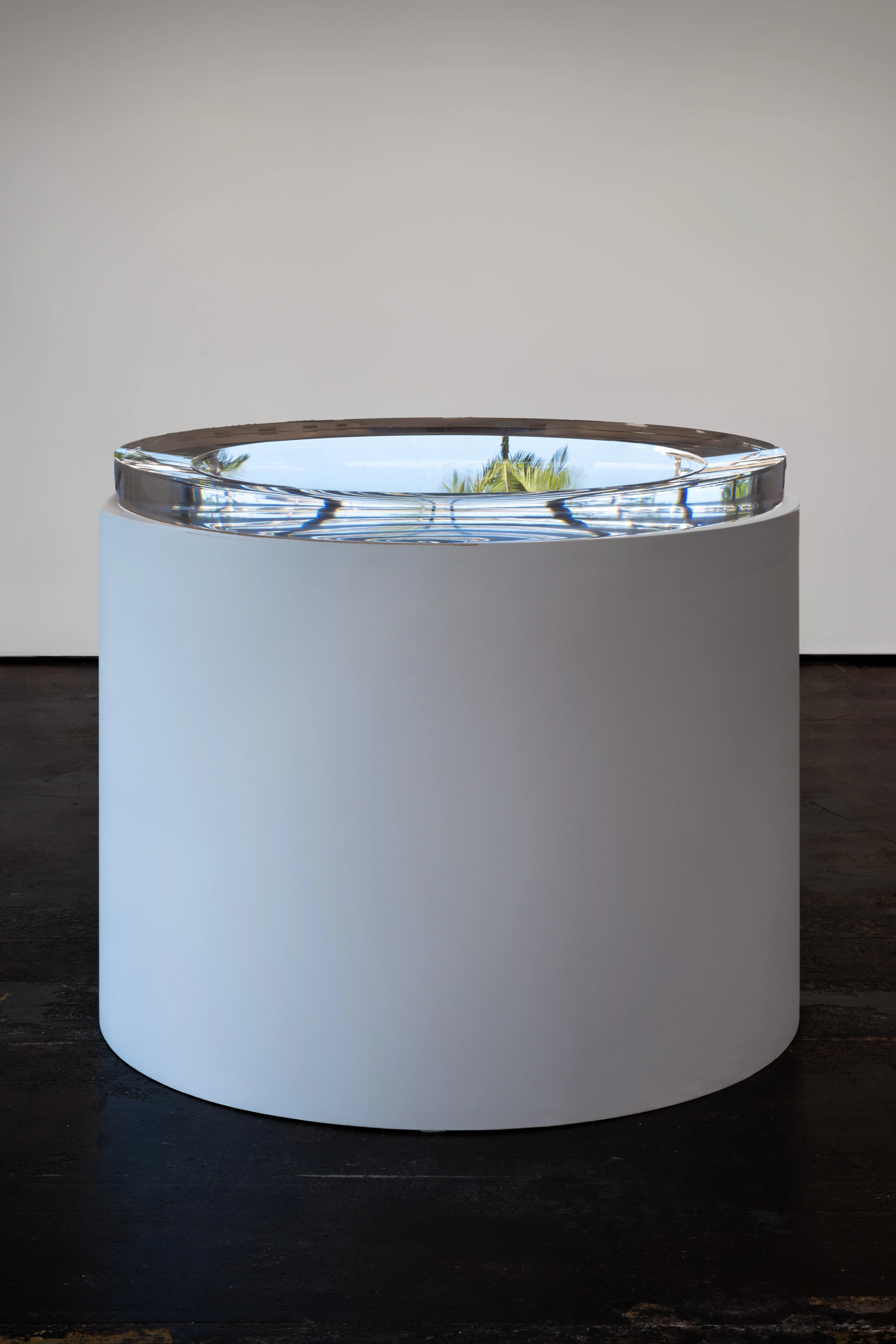
Lachlan Turczan
Liquid Lens, 2025
Water, acrylic 55 x 55 x 4 in
“I use sound frequencies to shape the surface of water — and in turn, the water shapes light."
Exhibitions